



Choosing a Primary Care Doctor in Hoover, AL: 10 Things to Look for in Your PCP
A practical guide to choosing a medical home for prevention, chronic care, acute needs and coordinated care.
Bringing Care Back Into Healthcare.
Finding the right primary care doctor is about more than choosing the medical office closest to your home. Your PCP may become one of the most important relationships in your healthcare.
A good primary care clinician gets to know your medical history, helps identify health problems before they become more serious, manages chronic conditions, reviews medications, treats acute illnesses and helps coordinate care when specialists or hospital services are needed.
If you are looking for a primary care physician, internist or medical home in Hoover or the Birmingham area, here are 10 things worth considering.
1. Does Your Doctor Take Time to Know You?
Good primary care starts with a relationship. Your clinician should understand more than the reason for today’s appointment. Medical history, medications, family history, previous treatments, lifestyle and long-term goals can all affect medical decisions.
An ongoing relationship also helps your medical team recognize changes over time instead of treating every visit as an isolated event.
At Ross Bridge Medical Center, we want patients to feel heard, informed and involved in their healthcare decisions.
|
RECENT 5-STAR GOOGLE REVIEW
I’ve been seeing Dr. Devani and his team for over two years. I usually don’t write reviews right away because I like to give things time and make sure I’m truly happy with the care I’m receiving. After more than two years, I can honestly say I am! He and his entire staff are AMAZING! Dr. Devani is so compassionate, caring, and really listens to my concerns. I never feel rushed when I’m with him, and I always feel like he takes the time to hear me and address whatever I need…that’s something I really appreciate in a doctor!
And I have to mention the receptionist, Shae, because she is always so friendly, helpful, and willing to help with anything I need. She makes you feel welcome from the moment you walk in. I also love that the wait time is very minimal. It’s so nice to actually see your doctor in a timely manner without sitting there forever!
After two years, I feel very comfortable recommending Dr. Devani and his team. I’m really thankful for the care I’ve received at RBMC and so glad I found them. If I could give more than 5 stars, I would!
|
2. Can the Practice Handle Preventive Care and Medical Problems?
Primary care is not only for when you are sick. It should also help keep you healthy. A comprehensive PCP can provide preventive visits and screenings while also evaluating new illnesses, injuries and symptoms.
Annual visits are also an opportunity to review blood pressure, weight, medications, health risks and appropriate laboratory testing or screening based on age and individual risk factors.

3. Does Your PCP Look at Trends – Not Just Today’s Numbers?
One laboratory result is useful. Several years of results can tell a story. Blood pressure, glucose, A1C, cholesterol, kidney function, liver tests, thyroid testing and other measurements may change gradually.
One advantage of an ongoing primary-care relationship is having someone who can recognize those patterns. That is one reason to establish care before something is wrong.
4. Can Your PCP Manage Chronic Medical Conditions?
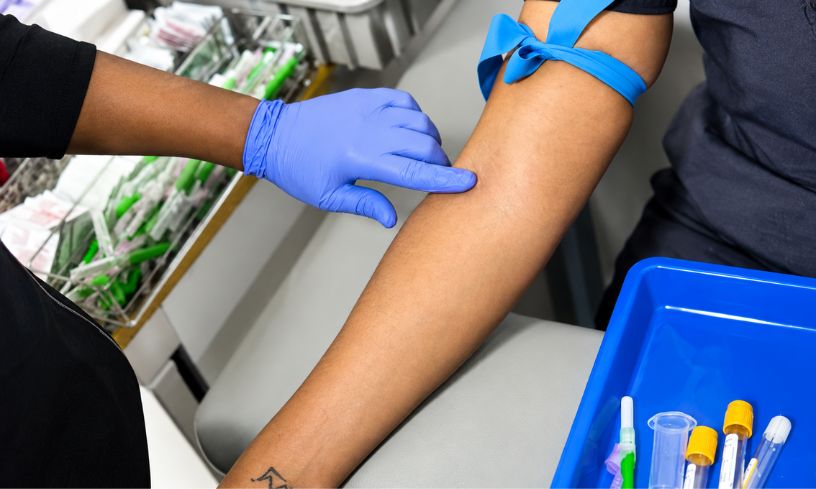
Conditions such as high blood pressure, diabetes, thyroid disease, asthma and high cholesterol often require long-term monitoring rather than a single visit. Your PCP should help you understand what is being treated, the goal, whether treatment is working, what should be monitored and when specialist input is needed.
5. Does the Practice Consider Mental Health Part of Overall Health?
Mental health is health. Anxiety, depression, ADHD, sleep difficulties and other behavioral-health conditions can affect physical health. Likewise, chronic illness, medications and physical symptoms can affect mental health.
At Ross Bridge Medical Center, primary care and psychiatry can work within the same medical home. That can help the psychiatric team consider medical conditions, medications, laboratory results and the patient’s broader medical history when developing a treatment plan.
6. Does Your Doctor Coordinate Care When You Need a Specialist?
Good primary care does not mean your PCP has to treat everything. Sometimes the best medical decision is knowing when another specialist should become involved.
Your PCP can help keep the bigger picture together – including referrals, imaging, laboratory testing, specialist recommendations and follow-up after emergency or hospital care.
7. Can the Practice Care for More Than One Stage of Life?
Healthcare needs change over time. Children need well-child care, developmental monitoring, immunizations and evaluation of childhood illnesses. Adults increasingly need preventive care and management of chronic conditions. Mental-health needs can occur at virtually any stage of life.
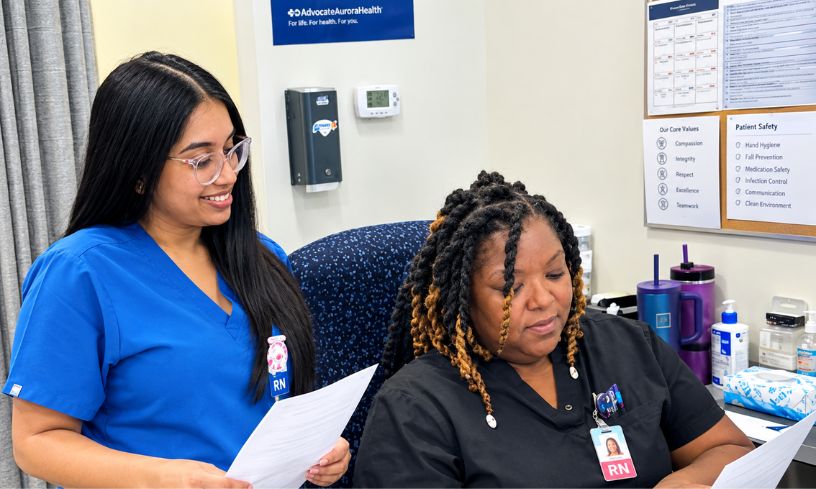
At Ross Bridge Medical Center, Dr. Devani provides adult primary care/internal medicine and Dr. Manci Balas provides pediatric care in the same office. That means parents and children can have care connected within one medical home, while still seeing clinicians who focus on the needs of their age group.
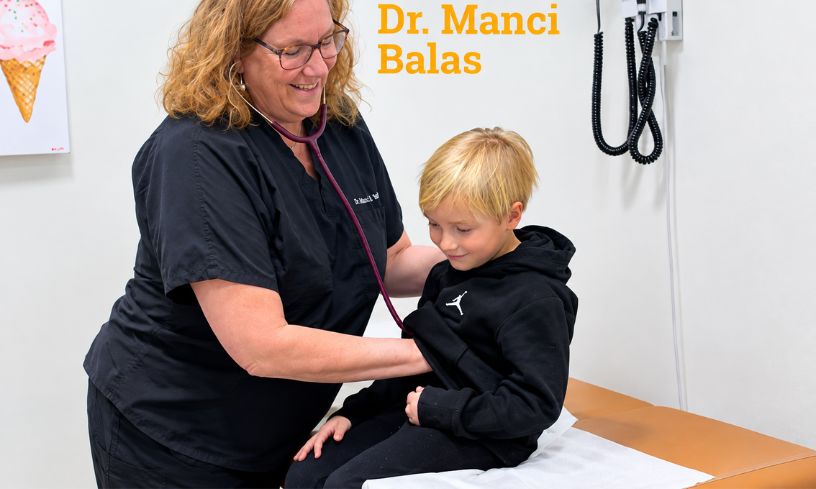
ONE MEDICAL HOME FOR THE FAMILY
Having adult primary care and pediatrics in the same office can make communication, scheduling and long-term family care simpler. Dr. Devani and Dr. Balas can help families keep care connected across generations.
8. Is Your Doctor Evidence-Based but Willing to Keep Learning?
Medicine does not stand still. New medications, diagnostic tools, technologies and treatment options continue to emerge.
Be skeptical enough to demand evidence – but curious enough to keep learning. Newer does not automatically mean better, and older does not automatically mean better. Our approach is to practice evidence-based medicine while continuing to evaluate new options that may become appropriate for our patients.
9. Is the Practice Accessible When You Actually Need It?
When choosing a PCP, consider practical questions: Can you get an appointment when you are sick? Can you reach the office when you have a question? Can the practice follow you after an ER visit or hospitalization? Does it offer both routine preventive care and evaluation of acute problems?
10. Do You Feel Comfortable Asking Questions?
This may be the simplest item on the list, but it is one of the most important. You should feel comfortable asking:
| • I don’t understand – can you explain that? |
| • What are my other options? |
| • Do I really need this medication? |
| • What happens if we do not treat this? |
| • What would you do next? |
Healthcare works better when patients understand the plan. A clinician’s job is not simply to tell you what to do; it is also to help you understand your health well enough to participate in decisions about it.
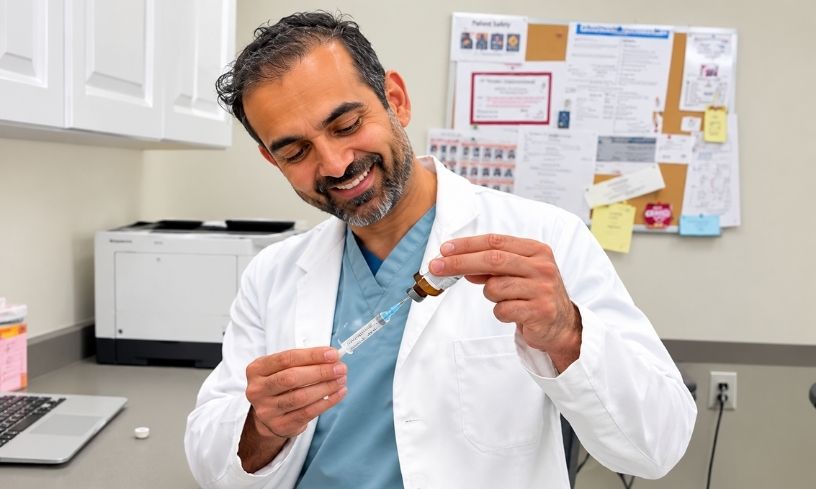 |
DR. MADHAV DEVANI
Primary Care / Internal Medicine
Ross Bridge Medical Center
A familiar physician relationship can help keep
preventive care, chronic-condition management and care coordination connected over time. |
Primary Care in Hoover Built Around the Patient
Ross Bridge Medical Center is growing beyond the traditional idea of a doctor’s office. Our goal is to develop a medical home where patients can build lasting relationships with their providers while accessing more of the care they need through a connected medical team.
Today, RBMC offers primary care and internal medicine alongside pediatrics, psychiatry and behavioral health, and aesthetic and wellness services.
Growth is not about simply adding more services. Growth matters when it allows us to take better care of the patients who already trust us, make quality healthcare easier to access, and care for more people and families in our community.
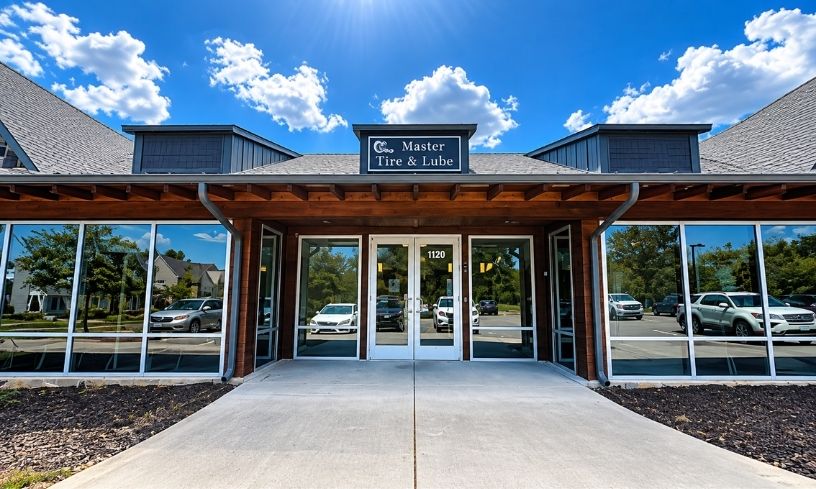
Looking for a Primary Care Doctor in Hoover, Alabama?
If you are searching for a primary care physician, PCP or internal medicine doctor in Hoover, we invite you to learn more about Ross Bridge Medical Center.
Our primary-care team provides preventive care, acute visits, chronic-disease management and coordination with other healthcare services.
Schedule an appointment and start building a healthcare relationship designed for the long term.
Frequently Asked Questions:
How often should I see my primary care doctor?
The appropriate schedule depends on age, medical conditions, medications and risk factors. Many patients benefit from routine preventive visits even when they feel well, while people with chronic conditions may need more frequent follow-up.
What is the difference between primary care and internal medicine?
Internal-medicine physicians focus on adult medical care and frequently manage multiple or complex chronic conditions. Primary care is broader and describes the ongoing first point of medical care provided by physicians and other qualified clinicians.
Should I have a PCP even if I am healthy?
Yes. Establishing care while healthy creates an opportunity to focus on prevention and establish baseline information that may become useful if your health changes later.
Can my PCP help coordinate specialists?
Yes. Care coordination and referrals are an important part of primary care.
Can my child and I receive care at the same medical center?
Yes. Ross Bridge Medical Center provides adult primary care/internal medicine and pediatric care in the same office. This can make it easier for families to keep routine care connected across different stages of life.