




Why Your PCP Should Lead Your Wellness Plan
Wellness has become easier to purchase – but not always easier to coordinate. A patient can now find IV infusions, weight-loss injections, supplements, peptide programs and aesthetic procedures through online platforms, retail wellness centers and national med spa chains. Convenience can be valuable, but wellness care should never be separated from the medical information that helps make it safe.
At Ross Bridge Medical Center, wellness services are part of a physician-governed plan. Our primary care and internal medicine team can consider your diagnoses, medications, allergies, laboratory results, previous treatments and longterm goals before recommending a service. The goal is not to sell the same package to every patient. It is to identify the most appropriate path for the person in front of us – and to monitor that plan as health needs change.
Wellness Should Be Part of Your Medical Story
Your body does not divide itself into separate categories labeled primary care, weight management, hormones, mental health, supplements and aesthetics. These areas often overlap. Sleep can affect appetite and mood. Hormone symptoms can resemble other medical conditions. Prescription medications can influence hydration, blood pressure, blood sugar, bruising and treatment tolerance. Supplements can have biological effects and may interact with medicines or medical conditions.
That is why a wellness plan is more useful than a menu of services. A wellness plan asks what you want to improve, why the concern may be occurring, what medical factors could change the recommendation, how progress will be measured and who will follow up if the plan needs to change.

The important question is not simply, “Is this a med spa?”
Many medical spas employ qualified professionals. The more meaningful question is whether the person recommending your treatment has the information, authority and follow-up system needed to evaluate your whole health. In a disconnected setting, your records may not be available unless you send them, and coordination may depend entirely on you. At a medical home, wellness decisions can be connected to the rest of your care.
Why Choose Physician-Led Wellness Through Your PCP?
1. Your Medical History Can Change the Recommendation
A treatment that is reasonable for one person may be inappropriate for another. Your age, medical diagnoses, pregnancy status, allergies, prior reactions, surgical history, kidney and liver function, cardiovascular risk, blood pressure, blood sugar and family history can all affect a wellness plan.
A primary care physician or internist can review those factors in context. When your wellness care is delivered within the same medical organization, the team can use the information already documented in your chart and update it as your health changes.

2. Medication and Supplement Interactions Matter
“Natural” does not automatically mean interaction-free, and a cosmetic or wellness treatment can still be medically relevant. Blood thinners may affect bruising and procedure planning. Diabetes medications can influence appetite, nutrition and blood sugar monitoring. Heart or kidney conditions may affect the type or volume of IV fluids that is appropriate. Hormones, stimulants, psychiatric medications and supplements may also need to be considered together.
At Ross Bridge Medical Center, prescription medications, over-the-counter products, vitamins and supplements are reviewed as part of the same medication list. That helps the team look for duplication, avoidable interactions and reasons to adjust the plan or obtain additional testing.
Bring the full list – not only prescriptions.
Patients should tell their clinician about vitamins, protein or weight-loss products, herbal supplements, hormone products, injections obtained elsewhere and any compounded medications. A complete list gives the physician a better chance to identify interactions and monitor side effects.
3. Laboratory Testing and Follow-Up Can Make Care More Precise
Some wellness concerns should be evaluated before treatment begins. Fatigue, weight change, hair loss, low energy, sleep disruption and mood changes can have many possible causes. Depending on the concern, a clinician may need to review vital signs, prior records, laboratory results or other medical information before recommending a therapy.
Monitoring also matters after treatment starts. The right dose or service can change over time. Follow-up allows the clinician to assess benefit, side effects, adherence and whether another diagnosis or treatment should be considered.
Medical Weight Loss Is Medical Care – Not a One-Time Injection
Medical weight loss works best when it is treated as an ongoing health plan rather than a transaction. At Ross Bridge Medical Center, the process can include review of medical history and medications, body composition, nutrition, activity, sleep, metabolic risk factors, prescription options when appropriate, and regular follow-up.
Weight-loss medications are not interchangeable, and no medication is right for every patient. A physician should consider contraindications, side effects, dosing, other prescriptions, access to follow-up and the plan for maintaining results. When weight loss improves blood pressure, blood sugar, mobility, sleep or other health risks, the benefit is larger than a number on the scale.
A safer question than “How fast can I lose weight?”
Ask: What is causing or contributing to my weight gain? Is medication appropriate for me? What will be monitored? How will nutrition and muscle health be protected? What is the maintenance plan? The goal is efficient, meaningful progress without skipping the safeguards that protect long-term health.
IV Hydration in Hoover, AL: Personalized, Not One-Size-FitsAll
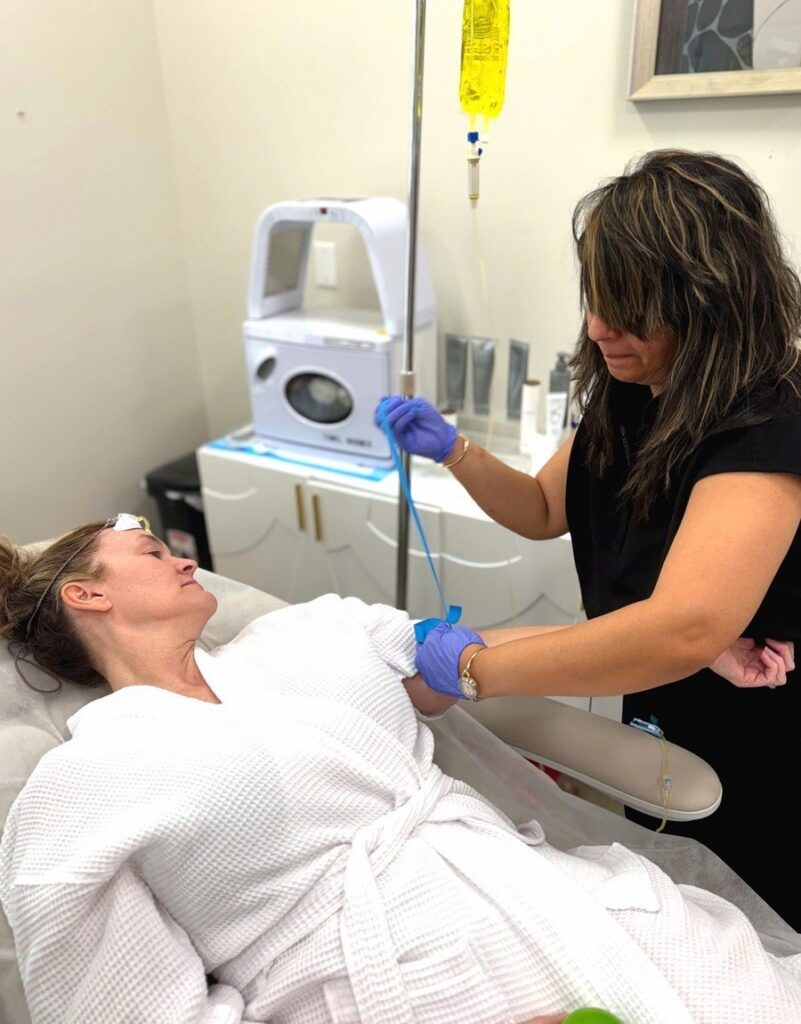
IV hydration delivers fluid and selected ingredients directly into the bloodstream. It may be considered for dehydration or other medically appropriate goals, but the best formula and volume depend on the individual. A physician-governed plan can account for symptoms, vital signs, kidney or heart conditions, medications, electrolyte concerns and the reason the patient is seeking treatment.
Ross Bridge Medical Center offers IV hydration options as part of its wellness services. Patients receive an evaluation so the team can recommend an approach that fits their health history and goals. Not every patient needs the same fluid, vitamins or add-ons, and more is not always better.
Treatment outcomes vary. IV hydration is not a substitute for emergency care or evaluation of serious symptoms. Patients with severe dehydration, chest pain, shortness of breath, confusion, fainting or other urgent symptoms should seek appropriate emergency evaluation.
Peptide Therapy and Supplements Require Clinical Judgment
Peptide therapy is not one single treatment. Peptide-based products differ in their intended use, evidence, regulatory status, dosing and risk profile. Ross Bridge Medical Center offers peptide therapy subject to medical evaluation, eligibility and individualized dosing. A physician can discuss what is known about a proposed therapy, what remains uncertain, how the product is sourced and what follow-up is needed.

The same principle applies to vitamin supplements. Supplements can be useful when there is a documented deficiency, a specific medical indication or a clear role within a broader plan. They should not be selected only because a product is popular online. The dose, product quality, duplication with other supplements and potential interactions all matter.
Physician oversight does not mean every new therapy is automatically recommended.
It means new and complementary options are evaluated rather than sold by default. Some compounded or peptide products are not FDA-approved, so informed discussion about evidence, quality, alternatives and uncertainty is part of responsible care. When an FDA-approved option can meet the patient’s need, that should be considered in the treatment decision.
Before IV therapy, peptides or supplements, the clinician may review:
Your reason for treatment; current prescriptions and supplements; allergies; pregnancy status; heart, kidney, liver and endocrine history; recent laboratory results; product source and regulatory status; expected benefit; possible side effects; and the follow-up plan.
Aesthetic Services Should Fit the Bigger Health Picture
Aesthetic treatment is personal, but it is not medically isolated. Medication use, bleeding or bruising risk, active skin conditions, wound healing, allergies, prior procedures and health goals can affect the timing and type of treatment. A clinician who understands the broader record can help determine whether a service is appropriate and how it fits with other care.
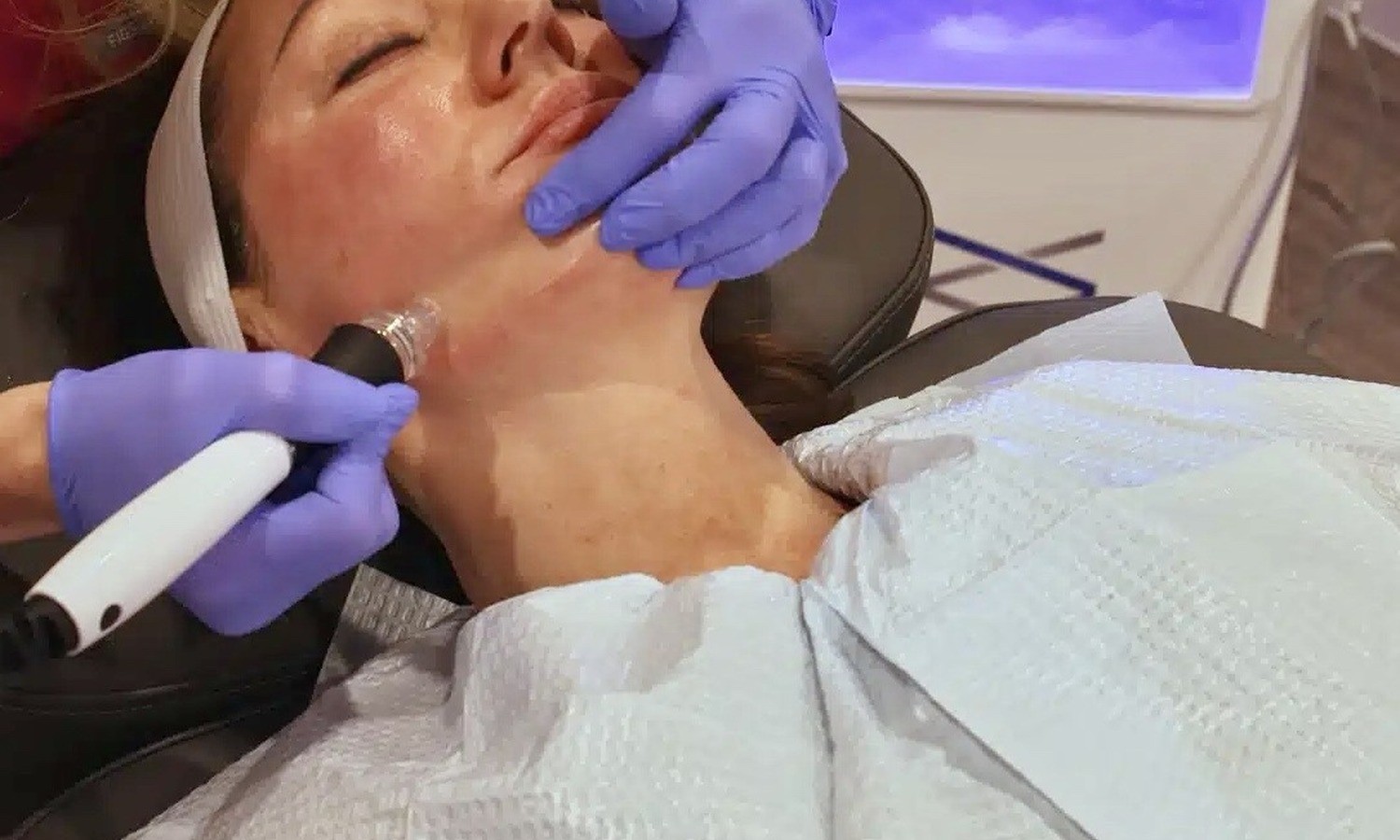
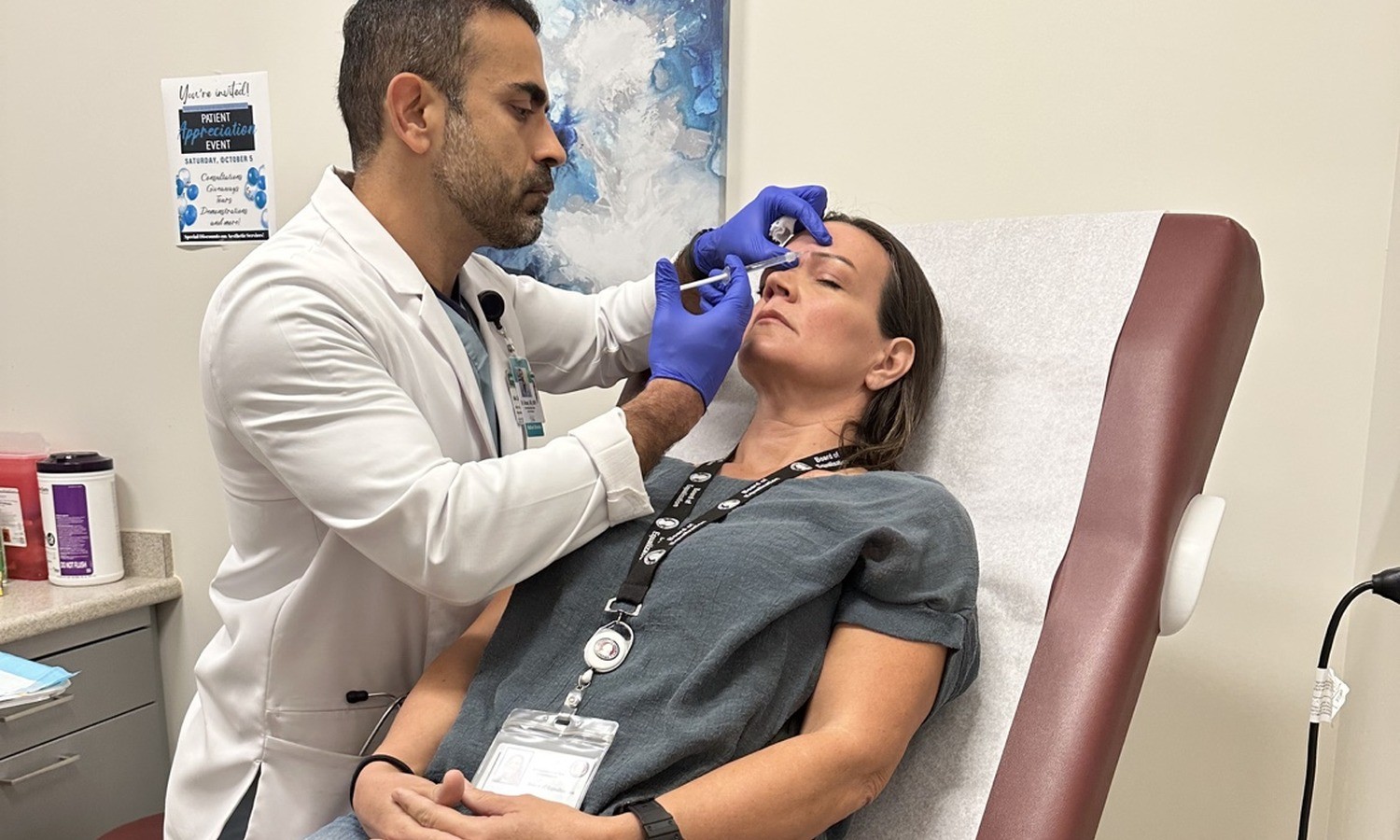
Ross Bridge Medical Center offers aesthetic services including cosmetic injectables, RF microneedling, laser hair reduction, IPL photofacial, body toning, hair-loss treatment and facial services. The objective is a personalized plan that respects both appearance goals and medical safety.
One Medical Record Creates Better Continuity
A standalone wellness visit can end when the service is completed. A medical-home model continues after the appointment. Results, prescriptions, reactions, laboratory findings and follow-up can be documented in the same chart used for primary care. If a concern develops later, the team has a clearer record of what was given, why it was recommended and how the patient responded.
Ross Bridge Medical Center combines primary care and internal medicine with pediatrics, psychiatry and behavioral health, and aesthetic and wellness services(opens in new tab). This broader model makes it easier to coordinate care when concerns overlap – for example, when sleep, mood, hormones, nutrition, weight and prescription medications are all part of the same health story.
A medical home can grow with the patient and the family.
Because Ross Bridge Medical Center also offers pediatrics and psychiatry/behavioral health, wellness decisions can be coordinated with care for children, mood, sleep, anxiety, medication management and other needs that may influence overall health.
Physician-Led Wellness Services at Ross Bridge Medical Center
Depending on medical evaluation, eligibility and individual goals, the Ross Bridge Medical Center team may incorporate the following services into a coordinated wellness plan:
• Primary care and internal medicine, including preventive care and chronic disease management
• Medical weight loss with nutrition, activity guidance, prescription options when appropriate, and follow-up
• IV fluids and IV vitamin therapy selected for the patient’s needs
• Peptide therapy with medical evaluation, individualized dosing and monitoring
• Physician-grade vitamin and nutritional supplements when clinically appropriate
• Hormone evaluation and hormone replacement therapy(opens in new tab) for eligible patients
• Hair-loss evaluation and treatment
• Cosmetic injectables, RF microneedling, IPL photofacial, laser hair reduction, body toning and facial treatments
• Psychiatry and behavioral-health care, including non-pharmaceutical options for selected patients
• On-site laboratory testing, on-site X-ray, same-day appointments, telephone/video visits and after-hours on-call support, as available
Integrated Medical Wellness vs. a Disconnected Retail Model
| Question | Physician-led medical home | Standalone wellness setting may require |
|---|---|---|
| Medical history | The team can review the primary-care record and update it over time. | The patient may need to provide records and repeat the history at each location. |
| Medication review | Prescriptions, supplements, allergies, and conditions can be evaluated together. | The wellness provider may only know what the patient reports that day. |
| Testing | Labs, vital signs, and diagnostic follow-up can be ordered when indicated. | Testing and interpretation may require a separate clinician or PCP visit. |
| Plan design | Services can be selected around diagnoses, risks, and long-term goals. | Care may be organized around a package, promotion, or single requested service. |
| Follow-up | Changes and side effects can be managed within the same medical team. | The patient may need to coordinate follow-up with an outside clinician. |
| Medical record | Treatments and responses can remain in one longitudinal chart. | Records may be fragmented across businesses, apps, pharmacies, or telehealth platforms. |
This comparison is not a statement that every standalone med spa or wellness practice operates the same way. Patients should evaluate the credentials, medical oversight, record access, prescribing practices and follow-up process of any provider they choose.
Can You Use HSA Funds for Wellness Services?
Possibly – but eligibility depends on why the service is provided, not simply where it is purchased. Health Savings Account funds can generally be used tax-free for qualified medical expenses. Under IRS rules, an expense usually must be primarily for the diagnosis, cure, mitigation, treatment or prevention of disease, or to affect a structure or function of the body. Services that are merely beneficial to general health are not automatically qualified.
• A medically supervised weight-loss program may qualify when it is prescribed to treat a physician-diagnosed disease such as obesity, hypertension or heart disease. Weight loss solely for appearance or general well-being generally does not qualify.
• Prescription medicines generally qualify when they meet HSA rules.
• Vitamins and nutritional supplements may qualify when a medical practitioner recommends them as treatment for a specific condition diagnosed by a physician. General wellness supplements usually do not qualify.
• Cosmetic procedures performed only to improve appearance generally do not qualify. A procedure may qualify in limited circumstances when it treats a deformity related to a congenital abnormality, injury or disfiguring disease.
• IV hydration, peptide therapy, hormone therapy and other wellness services are not automatically HSA-eligible. Eligibility depends on the medical purpose, documentation, product or service, and the rules applied by the HSA administrator.
HSA practical tip
Ask for an itemized receipt and, when appropriate, documentation of medical necessity. Confirm eligibility with your HSA administrator or tax professional before treating a service as a qualified expense. Ross Bridge Medical Center can provide clinical documentation, but the patient remains responsible for determining tax eligibility.
Authoritative guidance: IRS Publication 502 – Medical and Dental Expenses and IRS Publication 969 – Health Savings Accounts.
Questions to Ask Before Starting Any Wellness Treatment
• Who will review my complete medical history, current medications, allergies and supplements?
• Is a physician or other appropriately licensed clinician responsible for my treatment plan?
• Do I need laboratory testing or baseline measurements before treatment?
• Is the medication or product FDA-approved, compounded, or used for a different indication? Why is this option being recommended?
• Where will a prescription be filled, and is the pharmacy properly licensed?
• What side effects, interactions and warning signs should I know about?
• Who will monitor me, and how quickly can I reach the clinical team if I have a problem?
• Will the treatment and my response be documented in a medical record that my PCP can access?
• What is the maintenance plan after the initial result?
• Is the service likely to be HSA-eligible, and what documentation will I receive?
Why Ross Bridge Medical Center?
Ross Bridge Medical Center(opens in new tab) was built around the idea that patients should be treated as people, not transactions. Our Hoover medical center combines traditional primary care values with a modern, progressive approach to wellness, aesthetics and behavioral health. That means starting with evidence-based medicine, staying informed as treatment options evolve, and keeping safety, transparency and the patient’s complete health story at the center of the plan.
Patients can establish primary care and internal medicine at the same organization where they may receive medical weight management, IV hydration, hormone care, peptide therapy, supplements, hair-loss treatment and aesthetic services. When another service is not appropriate, the team can explain why and discuss alternatives. When a service is appropriate, the medical record and follow-up remain connected.
Growth only matters if it makes patient care better.
At Ross Bridge Medical Center, the purpose of adding wellness services is not to turn healthcare into retail. It is to give patients a more convenient way to access thoughtful, coordinated care from a team that can understand the whole picture.
Looking for physician-led wellness, medical weight loss, IV hydration or aesthetic services in Hoover, AL?
Call (205) 494-7677 or request an appointment at rossbridgemedicalcenter.com 3635 Market Street, Hoover, Alabama 35226
Frequently Asked Questions
Why should I get wellness services through my PCP?
A PCP can consider your full medical history, medication list, allergies, diagnoses, laboratory results and long-term goals. That information can affect the choice, dose and timing of IV therapy, weight-loss treatment, peptides, hormones, supplements and aesthetic procedures. It also provides a clear follow-up pathway if the plan needs to change.
Are med spa chains unsafe?
Not necessarily. Many med spas employ qualified professionals. Patients should focus on the quality of medical oversight, access to records, prescribing practices, product sourcing, emergency procedures and follow-up. A major advantage of receiving wellness services in a primary-care medical home is that the plan can be integrated with the rest of your healthcare.
Can vitamins or supplements interact with prescription medications?
Yes. Supplements can have strong biological effects and may conflict with medications or medical conditions. Tell your clinician about every vitamin, herbal product, injection, protein or weight-loss supplement, and over-the-counter product you use.
Is IV hydration appropriate for everyone?
No. The need for IV fluids, the volume and the ingredients depend on the patient’s symptoms, medical conditions, medications and treatment goals. A medical evaluation is important, especially for patients with heart, kidney, bloodpressure or electrolyte concerns.
What makes medical weight loss different from buying an injection online?
Medical weight loss includes clinical evaluation, selection of an appropriate therapy, nutrition and activity planning, monitoring for side effects, adjustment over time and a maintenance strategy. Medication may be one part of the plan, but it should not be the entire plan.
Are peptide therapies FDA-approved?
Peptide therapy is a broad category. Some peptide-based medications are FDA-approved for specific uses, while other products may be compounded or unapproved and have not undergone FDA review for safety, effectiveness or quality. A physician should explain the specific product, intended use, evidence, alternatives, sourcing and monitoring plan.
Can I use my HSA for medical weight loss, IV therapy, peptides, supplements or aesthetics?
Some expenses may qualify when they are primarily used to treat or prevent a diagnosed disease and meet IRS rules. Medical weight loss for physician-diagnosed obesity or another disease may qualify; general wellness weight loss does not. Supplements may qualify when recommended to treat a specific diagnosed condition. Cosmetic services generally do not qualify. IV therapy and peptides are not automatically eligible. Confirm with your HSA administrator or tax professional.
What wellness and aesthetic services does Ross Bridge Medical Center offer?
The current Ross Bridge Medical Center service menu includes medical weight loss, IV hydration, peptide therapy, physiciangrade vitamin supplements, hormone replacement therapy, cosmetic injectables, RF microneedling, IPL photofacial, laser hair reduction, body toning, hair-loss treatment and facial services, subject to medical evaluation and availability.