




How Long Does TMS Therapy Take? Treatment Timeline and What to Expect
How Long Does TMS Therapy Take?
Wondering how long TMS therapy takes before you can return to your routine? For most patients, the answer involves both the length of each appointment and the overall treatment course.
Transcranial magnetic stimulation therapy is usually provided as a series of outpatient sessions rather than a single treatment. A traditional course commonly lasts four to six weeks, with treatments scheduled five days a week. Individual sessions often take approximately 20–40 minutes.
How Long Is a TMS Session?
A typical TMS session takes about 20–40 minutes, although the exact duration depends on the treatment protocol.
During treatment, a magnetic coil is positioned against the scalp. The device delivers repeated magnetic pulses to a targeted area of the brain while you remain awake and alert.
You may hear clicking sounds or feel a tapping sensation during stimulation. Some people experience temporary scalp discomfort or headaches, particularly during the early stages of treatment.
Does the First TMS Appointment Take Longer?
Usually, yes. Your first appointment may take longer because it can include a psychiatric evaluation, treatment planning, and brain mapping.
Mapping helps the clinician identify the right treatment area and set stimulation parameters. Once the initial setup is complete, subsequent appointments are generally more consistent in length.

How Long Does a Full TMS Treatment Course Last?
A traditional course of repetitive TMS, or rTMS, generally lasts four to six weeks. Treatments are commonly provided five days per week, which can result in approximately 20–30 sessions, as described by the National Institute of Mental Health.
However, no single schedule works for everyone. The number of sessions and overall duration can vary based on the condition being treated, the TMS protocol, your response, and your clinician’s recommendations.
| Treatment Stage | What to Expect | Typical Time |
|---|---|---|
| Initial evaluation | Assessment and treatment planning | Varies |
| First treatment | Mapping and initial stimulation | Often longer |
| Routine sessions | Magnetic stimulation and monitoring | 20–40 minutes |
| Full course | Repeated outpatient treatments | 4–6 weeks |
| Follow-up | Evaluation and ongoing care planning | Individualized |
What Does a TMS Treatment Timeline Look Like?
Week 1: Starting Treatment
The first week focuses on getting started and becoming familiar with the treatment process.
Your clinician may review your medical and psychiatric history, discuss your symptoms, and determine whether TMS is appropriate. Mapping and initial treatment settings are also established.
Once treatment begins, you sit comfortably while the TMS device delivers magnetic pulses. You remain awake throughout the session.
Weeks 2–3: Building a Routine
By the second or third week, treatment may become part of your routine.
Some patients begin noticing improvements during this period, but there is no guaranteed timeline for symptom relief. Mayo Clinic notes that improvement may take several weeks of treatment.
Your treatment team can monitor your symptoms and overall response throughout the process.
Weeks 4–6: Continuing Treatment
During the later weeks, you generally continue the recommended schedule while your clinician evaluates your progress.
The goal is not simply to complete a specific number of appointments. Your symptoms, response to treatment, and overall well-being matter when determining the next step.
Is TMS Treatment Every Day?
Traditional TMS is commonly scheduled five days per week, often from Monday through Friday.
Newer accelerated TMS approaches may use different schedules, including multiple sessions in a day. These protocols aren’t suitable for everyone, so your clinician should determine which approach fits your situation.
When Do You Start Seeing TMS Results?
One of the biggest questions patients have is how quickly TMS works.
There is no universal timeline for improvement. Some people notice changes after several weeks, while others may require more treatment before experiencing meaningful benefits.
For this reason, completing the prescribed treatment course and maintaining communication with your care team are important. If you have concerns about your progress or experience side effects, discuss them with your clinician rather than changing your treatment schedule on your own.
What Happens After the TMS Treatment Course?
Completing an initial TMS course does not necessarily mean your mental health care ends.
Your clinician may evaluate your response and recommend an ongoing treatment plan. Depending on your needs, this may include medication, psychotherapy, symptom monitoring, or additional TMS sessions.
Follow-up care is individualized. Your provider can explain what monitoring or maintenance approach may be appropriate after your initial treatment.
TMS Treatment at Ross Bridge Medical Center
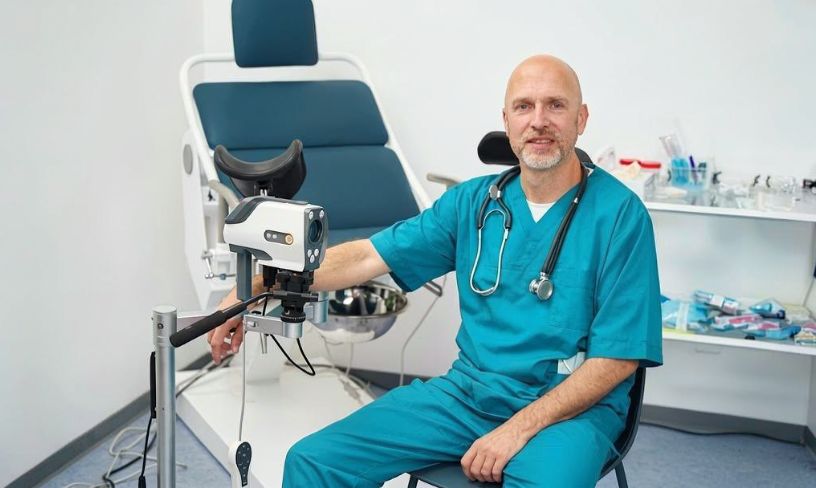
Ross Bridge Medical Center offers psychiatry and behavioral health services, including TMS therapy. Its TMS program describes a treatment process that includes an initial psychiatric evaluation, treatment mapping, regular sessions, progress monitoring, and follow-up care.
According to the center, its typical TMS schedule includes five sessions per week, with individual sessions lasting about 20–40 minutes and a treatment course of about four to six weeks.
Key Takeaways
- A typical TMS treatment course lasts 4–6 weeks, with treatments commonly scheduled five days per week.
- Individual sessions usually take around 20–40 minutes, although the first appointment may take longer.
- Results vary, and some patients begin noticing improvement after several weeks.
- Your treatment timeline depends on your condition, treatment protocol, and how you respond.
Frequently Asked Questions:
Can I return to work after TMS?
TMS is generally performed without anesthesia or sedation, so many patients can return to normal activities after a session. Your clinician can provide advice based on your individual circumstances.
Is TMS painful?
TMS may cause a tapping sensation or temporary scalp discomfort. Some patients may experience headaches, particularly early in treatment. Tell your treatment team if discomfort is significant or persistent.
How many TMS sessions will I need?
A typical course may involve approximately 20–30 sessions over four to six weeks. The exact number depends on your treatment protocol and individual care plan.
Does TMS work immediately?
Not necessarily. Some patients notice improvement after several weeks, while others may respond later. Your clinician will monitor your progress throughout treatment.