




Spravato Side Effects: What to Expect Before, During and After Treatment
If you are considering Spravato® (esketamine) for treatment-resistant depression, one of the first questions you may have is simple: What is the treatment actually going to feel like?
Spravato is different from taking an antidepressant tablet at home. You self-administer the nasal spray in a certified healthcare setting, remain under medical supervision afterward, and are monitored for at least two hours before your healthcare team determines that you are ready to leave.
Spravato can cause temporary effects such as dissociation, dizziness, sleepiness, nausea and increased blood pressure, as well as less-common but potentially serious reactions including respiratory depression. Because of these risks, Spravato is available only through a restricted FDA safety program known as the SPRAVATO REMS.
At Ross Bridge Medical Center in Hoover, Spravato treatment is provided within our psychiatry and behavioral-health program. Our goal is not simply to administer a medication. It is to help patients understand what is happening, monitor them carefully and integrate treatment into their broader medical and psychiatric care.
What Is Spravato?
Spravato is the brand name for esketamine, a prescription nasal spray used for certain adults with depression. For treatment-resistant depression, current FDA labeling allows Spravato to be used with or without an oral antidepressant. It may also be used with an oral antidepressant for depressive symptoms in adults with major depressive disorder who have suicidal thoughts or actions.
Treatment-resistant depression generally refers to depression that has not improved adequately despite appropriate treatment attempts. Spravato works through the brain’s glutamate system, which differs from the mechanisms targeted by many traditional antidepressants.
For some patients who have spent years trying different medications, that different mechanism can provide another treatment option. But Spravato is also a medication that requires careful supervision.
What Are the Most Common Spravato Side Effects?
Common Spravato effects include dissociation, dizziness, nausea, sleepiness or sedation, vertigo, decreased sensation, anxiety, low energy, increased blood pressure, vomiting, feeling intoxicated, headache, and feeling unusually happy or excited. When common effects occur, they often begin shortly after administration and usually resolve the same day. Individual experiences vary.
| Possible effect | What it may feel like |
|---|---|
| Dizziness / vertigo | Lightheaded, unsteady, or as though the room is moving |
| Sedation | Sleepy or unusually tired |
| Dissociation | Detached from yourself, your surroundings, thoughts, or sense of time |
| Nausea | Sick to your stomach |
| Increased blood pressure | A temporary rise that may not cause obvious symptoms |
| Anxiety | Tense, uneasy, or unusually worried |
What Does Dissociation Feel Like?
Dissociation is one of the effects patients ask about most often. Some people describe it as:
- Feeling separated from their body
- Feeling that time is moving differently
- Feeling unusually distant from their surroundings
- Changes in how sounds, thoughts or sensations are perceived
- Feeling “floaty,” dreamlike or disconnected
Not everyone experiences dissociation in the same way or to the same degree. You do not need to decide by yourself whether what you are experiencing is normal. Tell the treatment team what you are feeling so they can evaluate you.
Why Do I Have to Stay for Two Hours After Spravato?
Because some of Spravato’s important effects occur shortly after administration, patients must be monitored for at least two hours after every treatment. The FDA specifically requires monitoring because of risks including sedation, dissociation, respiratory depression, and abuse or misuse.
Your healthcare provider determines when you are clinically stable and ready to leave. Receiving medical clearance to leave the office does not mean you are cleared to drive.
Psychiatric Care, Not Just Medication Administration

Mental health is health.
At RBMC, Spravato sits inside an ongoing psychiatry and behavioral-health program rather than functioning as a stand-alone medication visit.
That matters because response, side effects, sleep, other psychiatric medications, medical conditions and the patient’s broader treatment plan all need to be considered together.
What Happens Before a Spravato Treatment?
Before treatment, your healthcare team should understand more than your depression diagnosis. Medical history matters. The evaluation may include:
- Current medications
- Blood-pressure history
- Cardiovascular conditions
- Other psychiatric medications
- Sleep medications or sedating medications
- Stimulants
- Previous treatment response
- Other medical conditions that could affect treatment
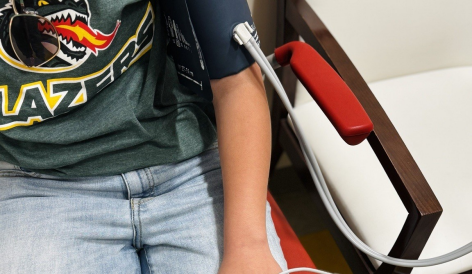
Spravato can temporarily increase blood pressure, so your blood pressure is checked before treatment and monitored afterward. One advantage of receiving psychiatric treatment inside a broader medical practice is that medical issues can be coordinated with RBMC’s internal-medicine team when appropriate.
blood pressure, sleep and other medical conditions all matter.
Should I Eat Before Spravato?
Because nausea and vomiting can occur, current FDA guidance advises patients not to eat for at least 2 hours before treatment and not to drink liquids for at least 30 minutes before treatment. If you use a nasal corticosteroid or nasal decongestant, follow your treatment team’s timing instructions. Do not change medications or your routine based only on general information online.
What Happens During a Spravato Session at RBMC?
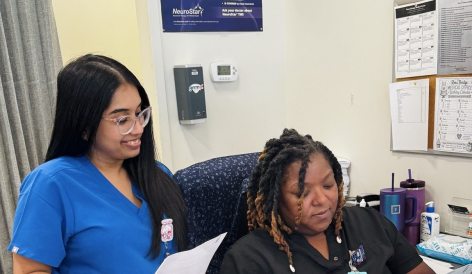
Spravato is self-administered as a nasal spray under healthcare supervision. A typical visit includes:
- Your medical status and blood pressure are reviewed.
- You self-administer the prescribed Spravato dose under supervision.
- You remain in the treatment area for observation.
- The team monitors how you are feeling and watches for side effects.
- Your blood pressure and clinical condition are reassessed.
- You remain under observation for at least two hours.
- Your healthcare provider determines whether you are stable to leave.
Plan your schedule around the treatment visit rather than treating it like a quick pharmacy pickup. Many patients bring headphones, music, a tablet or something quiet to help them relax during observation.
Can Spravato Raise Blood Pressure?
Yes. Spravato can temporarily increase blood pressure. This is why blood pressure is assessed before treatment and during the observation period. Tell your healthcare team immediately if you experience concerning symptoms such as chest pain, shortness of breath, sudden severe headache, significant vision changes or seizure activity.
Can Spravato Affect Breathing?
Respiratory depression has been reported with Spravato. If you feel unusually difficult to awaken, feel as though you may pass out, or have trouble breathing during treatment, tell the RBMC team immediately.
Can I Drive Home After Spravato Treatment?
Current FDA guidance instructs patients not to drive, operate machinery or perform activities requiring full alertness and coordination until the following day after a restful night’s sleep. Receiving medical clearance to leave the office does not mean you are cleared to drive.
What Should I Do After Spravato Treatment?
Once you return home, give yourself time to recover. You may still feel tired, lightheaded or simply “different” for part of the day. Follow the instructions provided by your treatment team and consider keeping track of:
- Nausea
- Dizziness
- Headache
- Sleepiness
- Dissociation
- Anxiety
- How long symptoms lasted
- How you felt later that evening and the next day
That information can help your psychiatric provider identify patterns across treatments and make future treatment discussions more useful.
Which Spravato Side Effects Require Immediate Attention?
Many Spravato side effects are temporary, but some symptoms warrant immediate evaluation. Tell your healthcare team promptly if you experience:
- Difficulty staying awake
- Feeling as though you may lose consciousness
- Trouble breathing
- Chest pain
- Sudden severe headache
- Significant vision changes
- Seizure activity
- Severe or unexpected symptoms
Patients and families should also report new or worsening suicidal thoughts, major behavioral changes or concerning changes in mood. If you or someone else is in immediate danger, seek emergency help.
Why Receive Spravato at Ross Bridge Medical Center?
Spravato requires monitoring anywhere it is administered. But where you receive that monitoring still matters.
Certified treatment setting
Spravato is administered within the required REMS safety framework in a supervised clinical environment.
Psychiatry beyond the treatment session
RBMC provides ongoing psychiatric care rather than functioning only as a medication-administration site.
Primary care and medical coordination
Psychiatric symptoms do not exist separately from blood pressure, sleep, medications, metabolic health and other medical conditions. RBMC can coordinate psychiatric and internal-medicine care when appropriate.
Comfortable monitoring
Patients spend a meaningful amount of time in observation. We want that period to feel calm, private and medically supervised – not rushed.
Insurance and prior-authorization support
Spravato frequently involves insurance verification and prior authorization. Our team can help patients understand the process before treatment begins.
Is Spravato Right for Me?
Spravato is not simply a “stronger antidepressant.” It is a different treatment with its own indications, benefits, risks, monitoring requirements and treatment schedule. Determining whether it is appropriate should include a psychiatric evaluation and consideration of:
- Your diagnosis
- Medications previously tried
- Response to previous treatment
- Medical history
- Current medications
- Blood pressure and cardiovascular risk
- Substance-use history
- Other psychiatric and medical conditions

Spravato Treatment in Hoover and Birmingham, Alabama
If depression has not responded adequately to previous treatment, you do not have to assume that the next step is simply trying another version of the same medication.
Ross Bridge Medical Center offers Spravato/esketamine treatment in Hoover, Alabama, serving patients from Hoover, Birmingham, Vestavia Hills, Pelham, Helena, Alabaster and surrounding Jefferson and Shelby County communities.
Our approach combines psychiatric treatment, medical oversight and ongoing follow-up within the same medical center.
Bringing Care Back Into Healthcare.
3635 Market Street, Hoover, AL 35226
Frequently Asked Questions:
What are the most common Spravato side effects?
Common effects include dissociation, dizziness, nausea, sleepiness, vertigo, numbness, anxiety, low energy, temporary increases in blood pressure, vomiting, feeling intoxicated and headache.
How long do Spravato side effects last?
Many common effects begin shortly after administration and resolve the same day, although every patient's experience is different.
Does Spravato make you feel disconnected?
It can. Dissociation may feel like being detached from yourself, your thoughts, your surroundings or your sense of time.
How long do I stay after Spravato?
Patients must be monitored for at least two hours after every dose. Your provider determines when you are clinically stable enough to leave.
Can I drive myself home after Spravato?
No. You need transportation home and should not drive or perform activities requiring full alertness until the following day after a restful night's sleep.
Can Spravato increase blood pressure?
Yes. A temporary increase can occur, which is why blood pressure is assessed before treatment and monitored afterward.
Is Spravato the same as ketamine?
No. Spravato contains esketamine, one component of the ketamine molecule, and is an FDA-approved nasal spray with specific indications and REMS requirements.
Can Spravato be used without an oral antidepressant?
For treatment-resistant depression, current FDA labeling allows Spravato to be used with or without an oral antidepressant. Other approved uses may require an oral antidepressant.